
Kind Century
Partner with us to study worker health at scale
Occupational cohorts are expensive to assemble and slow to follow. Kind Century partners with labor unions whose members sign individual HIPAA authorizations, letting us programmatically retrieve complete medical, claims, and pharmacy histories. We then stitch this information to exposure data. The result is a ready-made, consented, longitudinal cohort for occupational and environmental epidemiology.

Join our mailing list
What we provide
Records infrastructure
Kind Century provides a HIPAA eAuthorization workflow and automated medical data retrieval from payers, providers, and pharmacies.
Consented cohorts
Access to union-partnered worker cohorts with occupational histories.
Epidemiological talent
Epidemiologists to co-design protocols, run analyses, and co-author studies.
How a partnership works
- Define the research question together
- Enroll workers through our union partners
- Retrieve, structure, and pseudonymize records
- Joint analysis, publication, and remediative action
What we ask of university partners
- IRB sponsorship and a faculty PI
- Scientific direction on protocol and analysis
- Graduate students or postdocs to work with
What your lab gets
- Consented cohorts and data without a retrieval burden
- Analytic and field support
- A path to remediative action for workers through our union and legal partners
Who we are
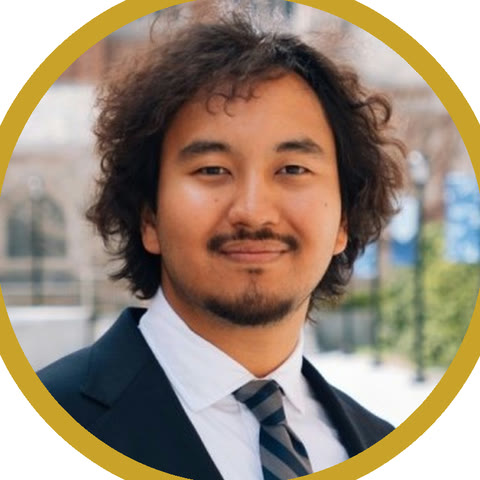
Madi Baltagulov
Madi earned a graduate degree in epidemiology from the Yale School of Public Health, then worked in a Yale lab building PopHIVE, a machine learning project that finds health signals in massive datasets.
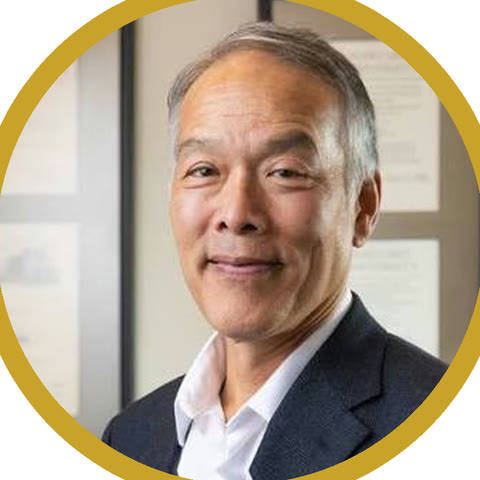
Dr. Howard Hu
Howard is a physician and epidemiologist with an MD from Albert Einstein and an MPH and ScD from Harvard. He chaired USC's population health department, was a founding dean at the University of Toronto, and taught at Harvard Medical School for 16 years.
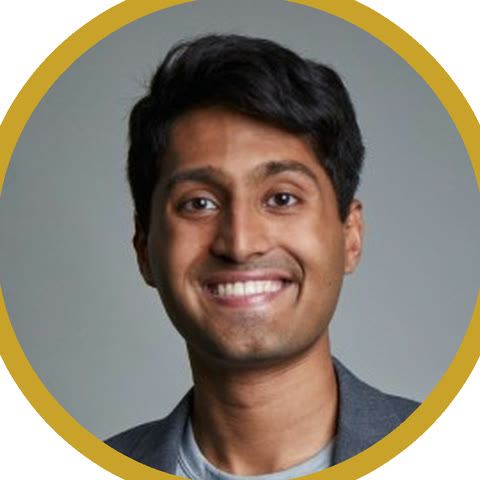
Dennis Cherian
Dennis spent nearly four years as an investor at RRE Ventures, an early backer of Venmo, Business Insider, BuzzFeed, and Noom. He began his career at the Boston Consulting Group.
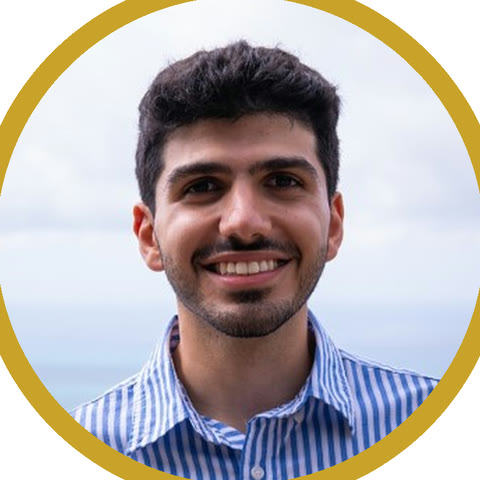
George Diwan
George spent five years as a software engineer at Amazon Web Services, specializing in large-scale machine learning. He helped build AWS's reserved GPU clusters for AI training.